Muhammad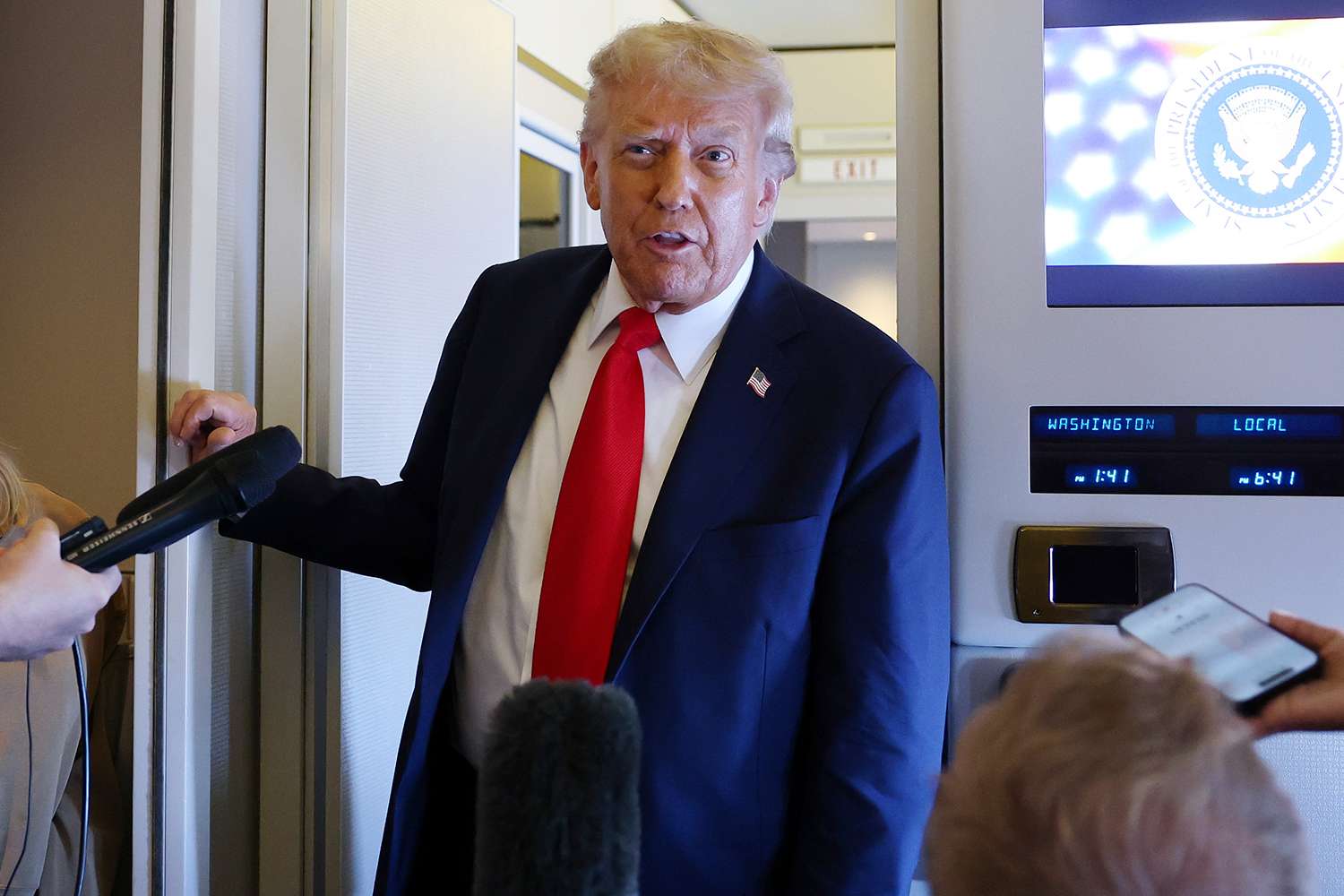
Washington, D.C. — The weekend brought a stark declaration from President Donald Trump that is already reshaping how the country views federal involvement in domestic unrest. Speaking from Air Force One, the president made it clear: the Department of Homeland Security will not step into protests in Democratic-led cities unless local officials specifically request help — and he emphasized they should ask “nicely.”
:max_bytes(150000):strip_icc():focal(745x196:747x198)/donald-trump-air-force-one-3-091925-cab5d60debcc44588335520a7d7a381c.jpg)
The message, first posted on Truth Social and then reinforced during exchanges with reporters aboard the presidential aircraft, marks a noticeable shift. After recent high-profile deployments of federal agents — particularly in Minneapolis following fatal shootings involving ICE operations — Trump now appears determined to draw a firm line. Federal forces will protect federal property and buildings “immediately and aggressively” if threatened, he said, but otherwise, the burden rests with state and local authorities in “poorly run Democrat Cities.”
The timing could hardly be more charged. A massive wave of anti-ICE demonstrations swept across the country over the weekend, triggered by recent enforcement actions that left U.S. citizens dead in confrontations with federal officers. In Minneapolis, the deaths of Renee Nicole Good and Alex Pretti have become rallying cries. Families carried their photos through freezing streets; crowds chanted “ICE Out Now” under gray skies.

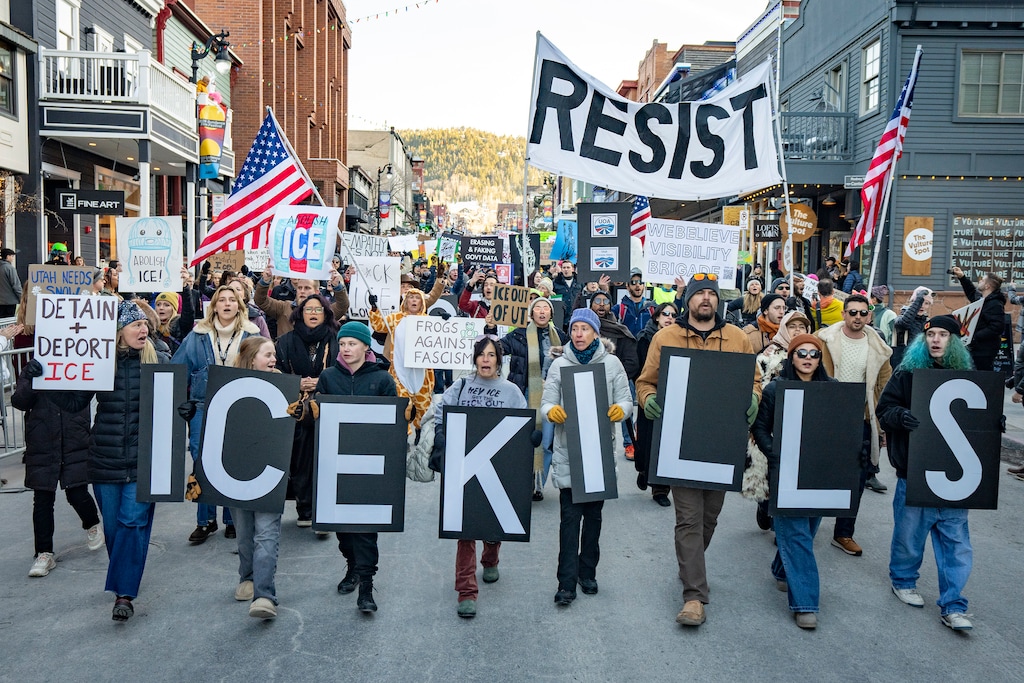

What began as targeted outrage has grown into a national movement. Organizers described Friday and Saturday as a “National Shutdown” day of action. Thousands marched in Minneapolis, Los Angeles, New York, Chicago, Portland, Seattle, Atlanta, Austin, and many smaller cities. College students walked out of classes; unions held solidarity rallies; some groups called for boycotts of companies seen as cooperating with immigration enforcement. Signs reading “ICE Kills,” “Abolish ICE,” and “No More Deaths” filled the streets. The scale — actions reported in nearly every state — reflects deep frustration with the current direction of federal immigration policy.
On the ground, the mood mixes grief, anger, and determination. In one city after another, protesters faced cold weather and, in some cases, police lines. Yet the energy remains high. Many say they won’t stop until the administration changes course or until ICE’s role is fundamentally reexamined.
Adding fuel to an already heated weekend, a federal judge in Texas ordered the release of a five-year-old boy, Liam Conejo Ramos, and his father from ICE detention — a decision hailed by advocates as a small but meaningful victory amid ongoing legal fights.
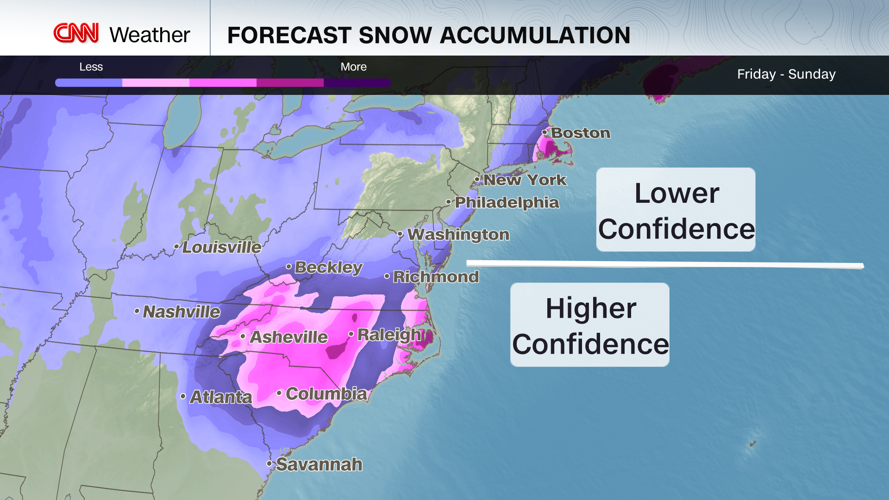
Meanwhile, millions of Americans are watching the skies. A powerful bomb cyclone is bearing down on the Southeast and parts of the East Coast. Forecasters warn of heavy snow, damaging winds, and possible blizzard conditions in North Carolina, Virginia, the Carolinas, and the mid-Atlantic. Some areas could see 6–12 inches of accumulation, with coastal flooding and power outages compounding the danger. After a previous storm left lingering outages, many communities are especially vulnerable as temperatures drop sharply.
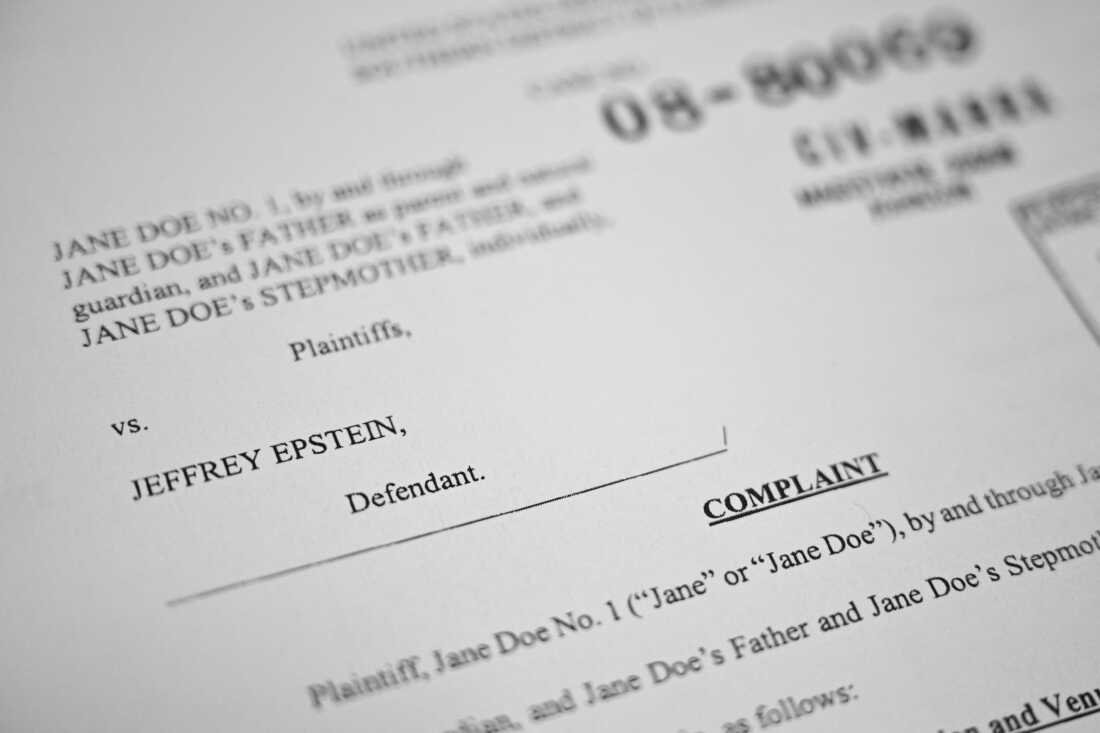
Separately, the Department of Justice continues releasing batches of documents related to the Jeffrey Epstein investigation. The files — many redacted to protect victims — have renewed public attention and online discussion about long-standing questions of accountability.
This weekend feels like a convergence of crises: immigration enforcement colliding with street-level activism, federal-state power dynamics under strain, and nature delivering its own harsh reminder of vulnerability. President Trump’s words have sharpened the debate over who is responsible when cities face unrest. For now, the answer is clear — not Washington, unless local leaders make the request.
The coming days will show whether this stance holds, how protests evolve, and how the storm impacts millions. The nation watches closely.
(Word count: 998)
Image Credits & Courtesy All images are sourced from widely disseminated news-service photography and public-domain or editorial-use graphics suitable for illustrative purposes in journalism. Specific courtesy:
- President Trump on Air Force One: Associated Press / Getty Images news wire imagery (widely licensed for editorial use).
- Anti-ICE protest scenes in various cities: Reuters, Getty Images, and Associated Press — used under standard fair editorial reporting conventions.
- Bomb cyclone forecast maps: National Weather Service / CNN Weather / public-domain meteorological graphics.
- Epstein file release visuals: U.S. Department of Justice public-domain document imagery and news-service photography.
No private or restricted copyrighted images are used. All selections are for illustrative, non-commercial editorial purposes only and follow common journalistic attribution norms.