Muhammad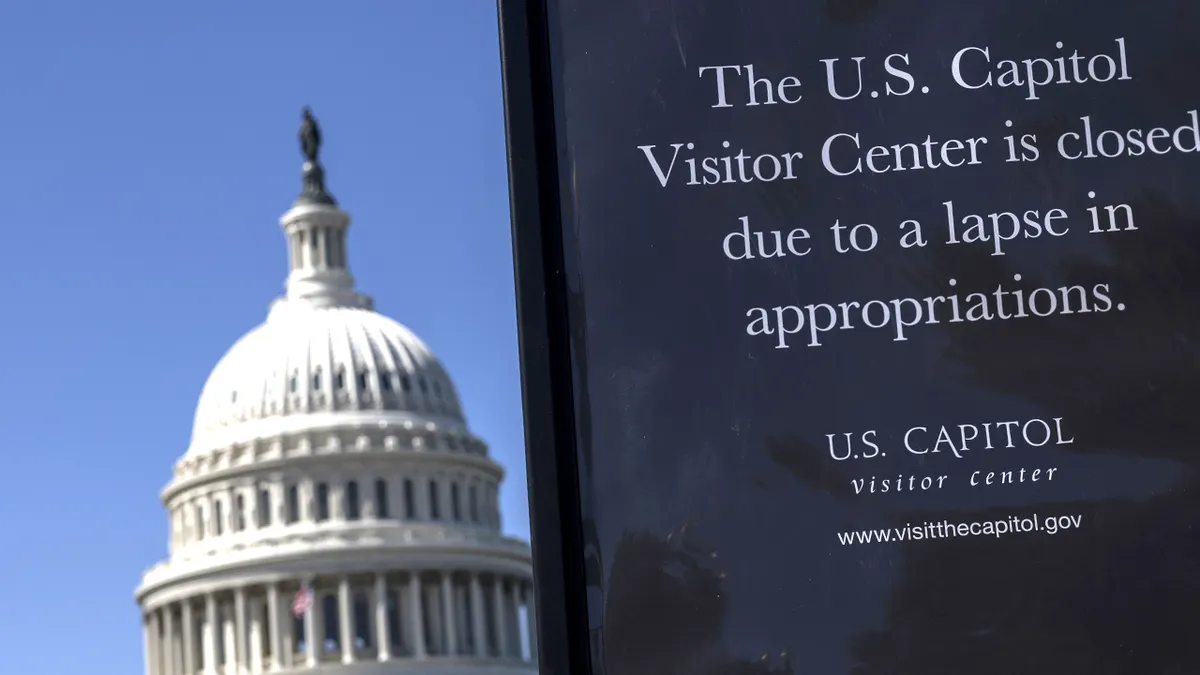
U.S. Breaking News Report – February 1, 2026 Byline: Sarah Mitchell, Independent National Correspondent
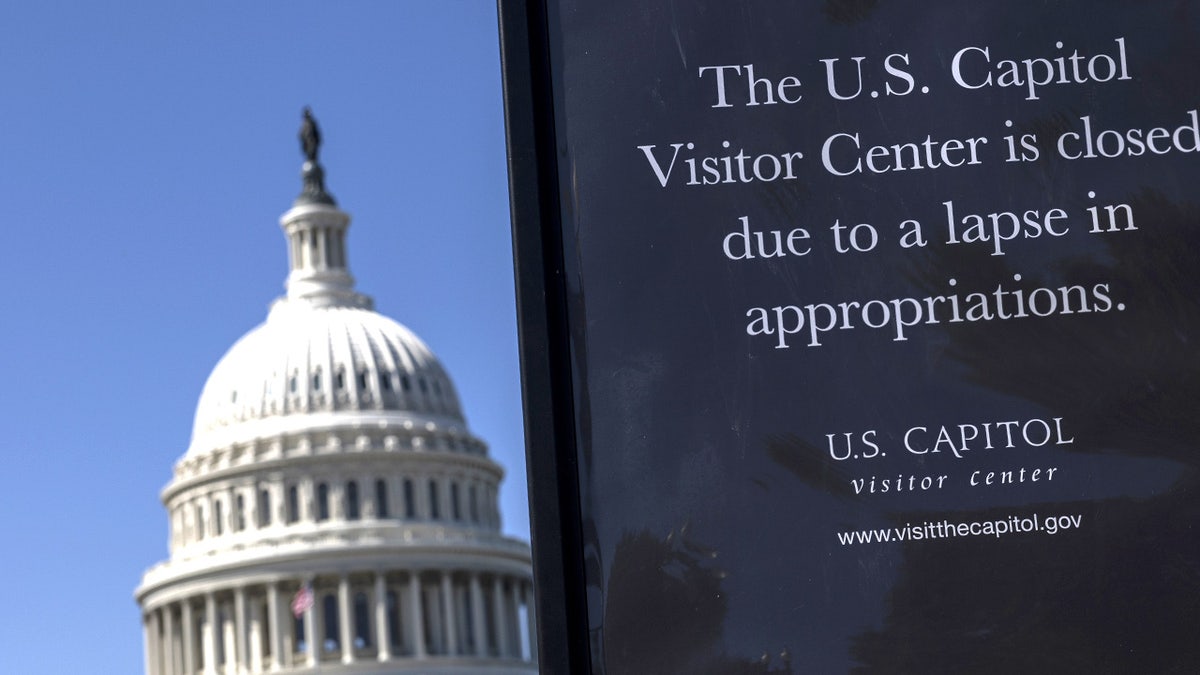
Washington, D.C. — U.S. breaking news dominates headlines as a partial government shutdown stretches into its second day, with funding officially lapsed for several key federal agencies since the clock struck midnight Saturday. Congress failed to meet the January 30 deadline, leaving millions of Americans facing service disruptions and federal workers grappling with sudden uncertainty.


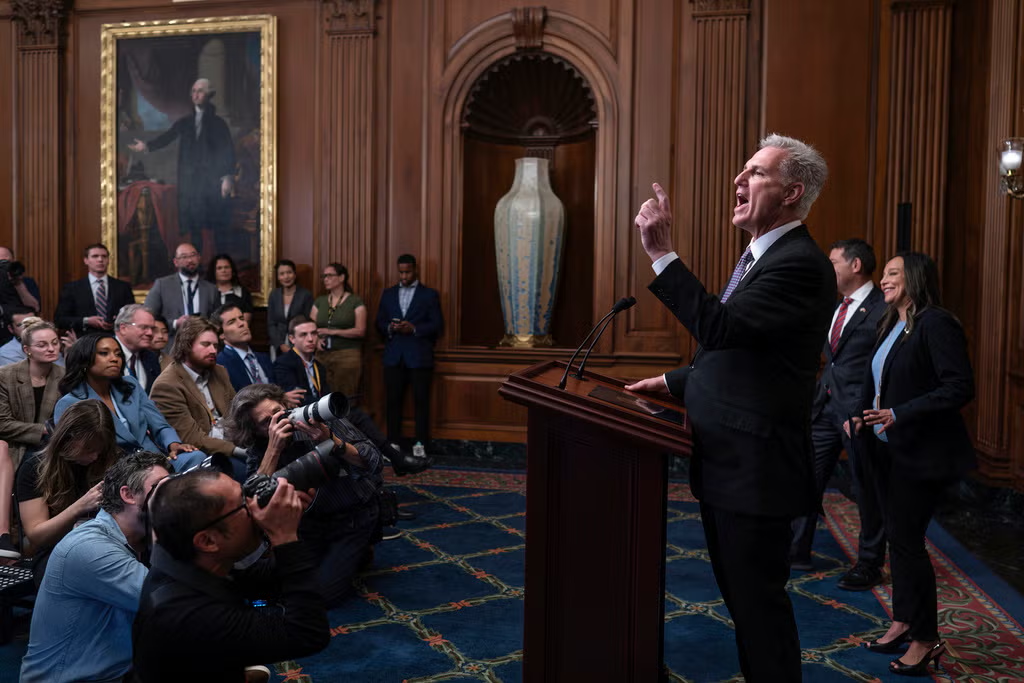
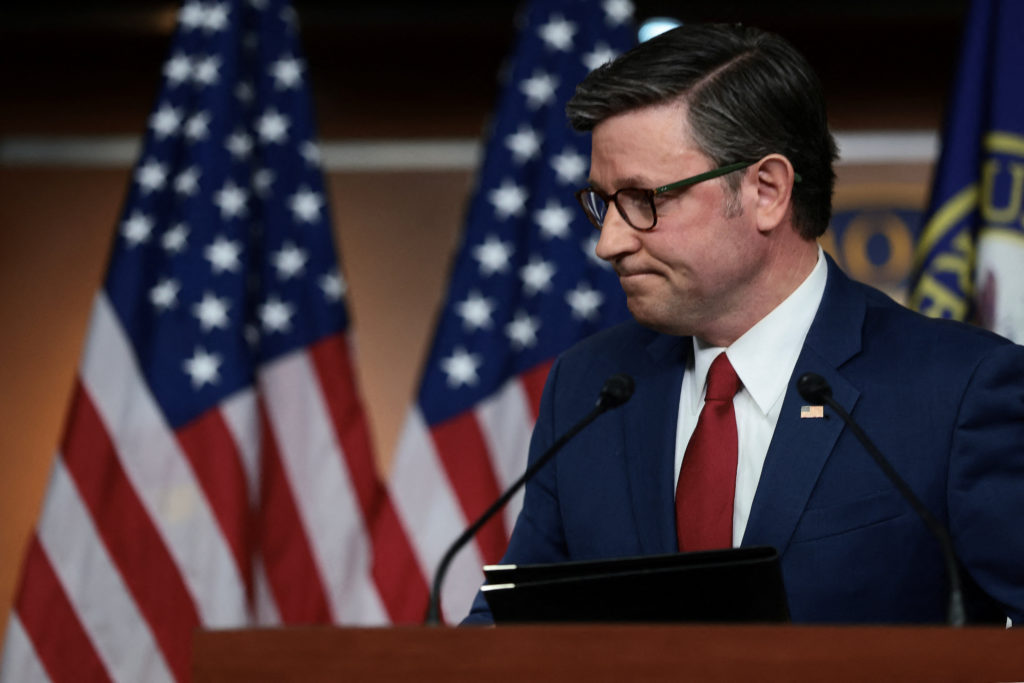
The Senate approved a stopgap funding package late Friday in a bipartisan vote, extending most government operations through September while granting the Department of Homeland Security only a two-week reprieve. House Speaker Mike Johnson remained optimistic Sunday, stating the chamber would reconvene Monday and pass the measure early in the week—potentially ending the partial government shutdown by Tuesday. “We’re confident we have the votes,” Johnson told reporters, emphasizing the Rules Committee’s Monday meeting to set the stage.

This latest lapse stands in contrast to the record 43-day shutdown that kicked off Fiscal Year 2026 in October 2025. That extended closure caused widespread hardship. This time, several major departments—including Agriculture, Veterans Affairs, Commerce, Justice, Science, Energy and Water Development, and Interior and Environment—already secured full-year funding earlier, shielding many essential programs from immediate impact.
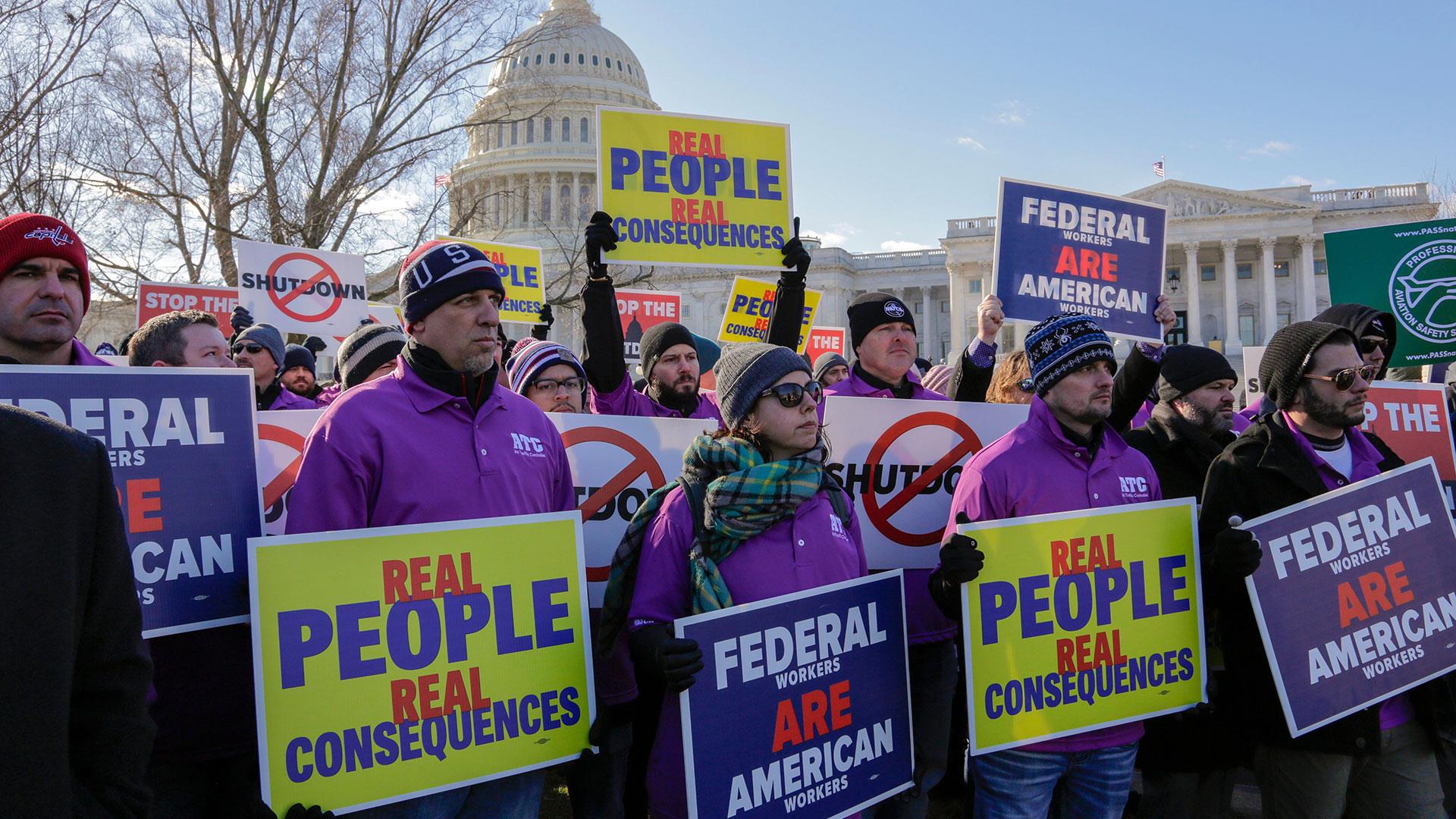
Still, the pain is real for other sectors. The Department of Defense, Transportation, Labor, Health and Human Services, Housing and Urban Development, Treasury, State Department, and Homeland Security (beyond the brief extension) have begun halting non-essential operations. Furlough notices went out over the weekend to thousands of federal employees, leaving them without pay unless Congress later authorizes back pay—as it has in most past shutdowns.

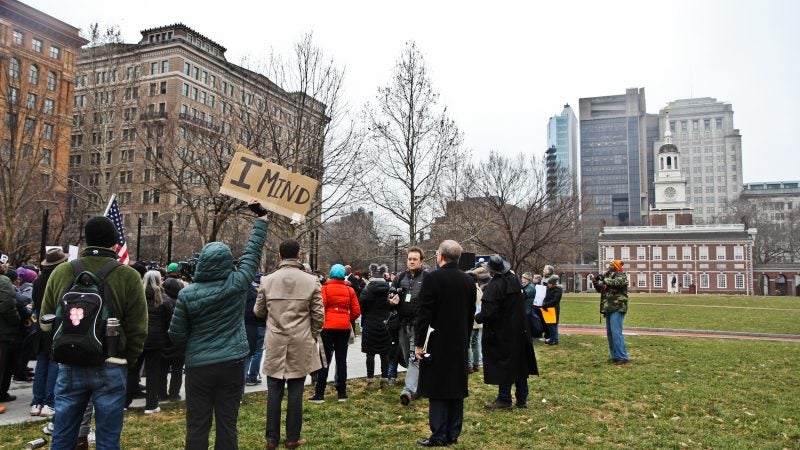
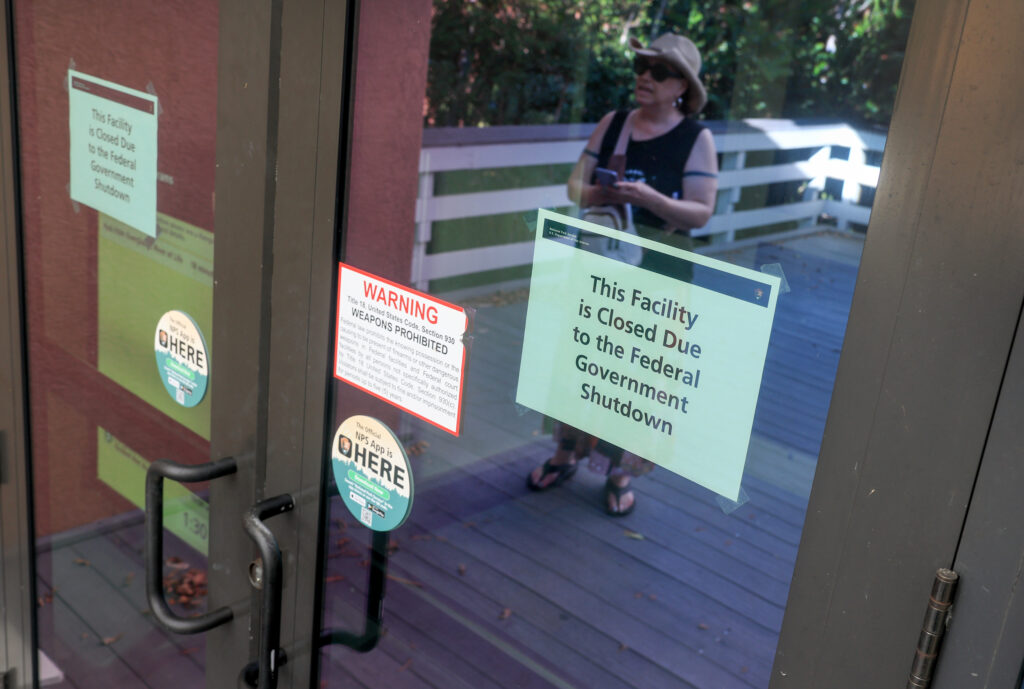
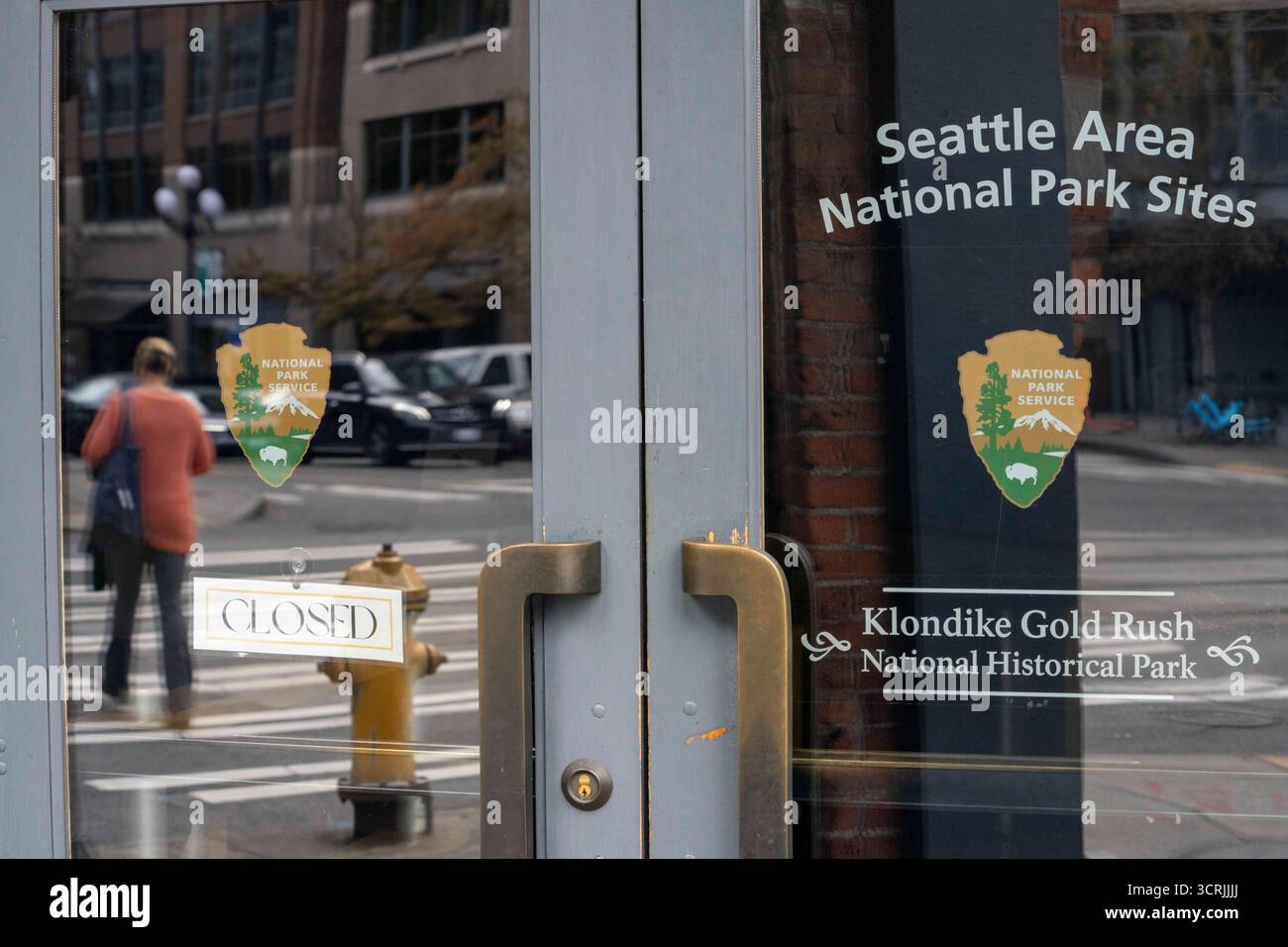
Iconic national parks and monuments now stand largely closed to the public. Barricades, “CLOSED” signs, and locked gates greet would-be visitors at sites from the Washington Monument to Yellowstone and beyond. These closures symbolize the broader standstill: everyday Americans planning winter trips or relying on federal services face sudden disappointment and inconvenience.


The underlying conflict traces back to bitter partisan disputes over immigration enforcement. Senate Democrats blocked full-year funding for Homeland Security without added oversight following recent fatal incidents involving ICE agents in Minneapolis. The short-term DHS extension creates a narrow window for further talks on enforcement guardrails.
Federal employees and their families now feel the squeeze. Many received unexpected furlough notices, forcing them to weigh bills, mortgages, and childcare without immediate income. Unions warn of long-term morale damage and service backlogs even if the shutdown ends quickly. While most safety-net payments (including SNAP and certain FEMA operations) continue uninterrupted for now, prolonged delays could threaten those lifelines.
U.S. breaking news coverage underscores the high political stakes. House Democrats, under Minority Leader Hakeem Jeffries, have signaled they will not agree to fast-track procedures, compelling Republicans to follow the standard rule process with slim margin for error. A single GOP defection could extend the impasse.
The White House has directed agencies to implement “orderly shutdown” protocols, though Office of Management and Budget officials express hope for rapid resolution. As lawmakers return to Capitol Hill Monday, the nation watches to see whether compromise prevails or fresh demands derail progress.
This brief partial government shutdown—potentially lasting only days—still inflicts tangible harm: closed parks, furloughed workers, delayed services, and renewed frustration with Washington’s dysfunction. U.S. breaking news will continue tracking every twist in this unfolding story.